Part of Entrepreneur biographies · All guides
The Everything Store summary
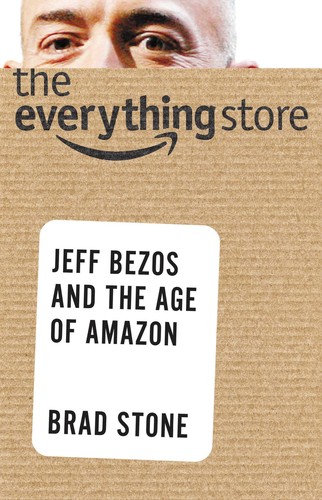
The Everything Store
- Bezos left a hedge fund job in 1994 to start an online bookstore, planning to expand to everything.
- He used a 'regret minimization framework' to decide to leave.
- Amazon chose long-term growth over short-term profit for years.
- He banned slide decks in key meetings and used six-page memos instead.
- Customer obsession and frugality shaped how Amazon worked.
How did Jeff Bezos build Amazon into the everything store?
Stone shows Bezos starting with books in 1994 as a way into selling everything online, then pushing long-term growth over short-term profit. He built a culture of frugality, high standards and customer obsession, and kept reinvesting in new bets like Prime, Kindle and AWS.
Actionable
- Write a six-page narrative memo for your next big decision instead of slides.
- Ask what you'd regret most at 80 before your next career choice.
- Pick one cost you could cut and reinvest in customers.
- Read one customer complaint every day for a week.
Lessons
- Starting narrow can lead to selling everything.
- Long-term thinking needs patience from investors and the team.
- Writing forces clear thinking.
- Culture is set by small daily choices, like frugality.
Quick answer
Our summary of The Everything Store by Brad Stone (2013), in our own words.
What 125x is: 125x is a web app at 125x.app. You connect your YouTube subscriptions, and it gives you a feed of the latest videos from the channels you follow, each with a summary: a verdict, the 5 key takeaways, and the spoiler, plus Actionable and Lessons tabs with more tips. You read that and decide what's actually worth opening.
Open 125xWho are Jeff Bezos and Amazon?
Jeff Bezos founded Amazon in 1994 and Blue Origin in 2000.
Brad Stone is a business journalist who covered Amazon for years.
The story in 5 parts
- Bezos's childhood and work at D. E. Shaw.
- Starting Amazon in a Seattle garage.
- The dot-com crash and survival.
- Prime, Kindle and Amazon Web Services.
- Amazon's tough culture and its critics.
Business lessons from the book
- Obsess over customers more than competitors.
- Use writing to make decisions.
- Reinvest profits into new bets.
- Keep a startup feel as you grow.
Who should read it
Founders, managers and investors who want to see long-term thinking in action. Pair it with Bezos's shareholder letters.
Tips from readers, plus one of ours
- Notice why books came first. Per one well-known reader's notes, Bezos picked books because every copy is the same, there were only two main distributors, and there were far more titles than any physical store could stock.
- Borrow the regret-minimization framework for your own big decisions: picture yourself at 80 and ask which choice you'd regret not making.
- Watch for the customer focus. The same notes highlight Bezos telling staff to worry about customers instead of competitors.
- Read it with a critical eye. Per a one-star review from MacKenzie Bezos, she said the book has errors and presents guesses about her husband's thoughts as fact, and that he wasn't interviewed for it.
- Agree or disagree: some readers take it as the definitive Amazon story. We partly agree. It's richly reported, but pairing it with Working Backwards gives you the inside view from two long-time Amazon executives.
- Our unusual tip: keep a pencil handy and put a small mark next to every sentence that says what Bezos felt, wanted or worried about. By the end you'll see which parts are reporting and which are the author's reading of him.
Watch them in their own words
Hear it from Jeff Bezos and the people around them in our interview summaries:
- Jeff Bezos: Amazon and Blue Origin | Lex Fridman Podcast #405
- Jeff Bezos: "Nerd of the Amazon" | 60 Minutes Archive
About this summary
We wrote this summary in our own words from the book and its public reviews. It follows the same layout as a 125x video summary: a verdict, 5 takeaways, the answer to the big question, and Actionable and Lessons tabs. More in entrepreneur biographies.
FAQ: questions people ask
What is The Everything Store about?
Brad Stone's history of Jeff Bezos and Amazon from its start in 1994 to around 2013.
What is the regret minimization framework?
Bezos's way of deciding: imagine yourself at 80 and pick the choice you'd regret least.
Is The Everything Store worth reading?
Good value given. It's the classic book on how Amazon was built.
Is The Everything Store accurate?
It's widely praised as reported history, but MacKenzie Bezos gave it one star and pointed out errors. Jeff Bezos wasn't interviewed for it, so read the parts about his thoughts as the author's interpretation.
What is the regret-minimization framework?
It's how Bezos decided to leave his job to start Amazon. He imagined himself at 80 and asked which choice he'd regret more.
Related guides
- Entrepreneur Biography Summaries: Founder Lessons
- Billionaire and Founder Interview Summaries
- Productivity and Self-Improvement Book Summaries
- How to Remember What You Read: Tips That Stick
- Turn Book Takeaways Into Action Before You Forget
- Working Backwards Summary: Lessons and Takeaways
- Amazon Unbound Summary: Biography of Jeff Bezos and Amazon
- Every 125x guide
125x is a web app at 125x.app that turns your YouTube subscriptions into a feed with a summary on every video, plus Actionable and Lessons tabs with more tips, so you can see what's worth opening before you spend the time.
125x is made by Blake Labs Inc. 125x is not made by YouTube or Google.