Part of Book summaries · All guides
Joy Is a Risk Worth Taking by Kelly McGonigal: summary
Joy Is a Risk Worth Taking
- Joy works differently from happiness. Asking whether you're happy makes you add up every problem in your life, while joy only needs one thing to be good right now, like a laugh, a hug or a job done well.
- Many people quietly push joy away. McGonigal says this shows up in cultures all over the world, usually as a fear that something bad will follow a good moment or a feeling that it's wrong to feel good while others are struggling.
- Joy is mostly found inside the life you already have. She says it comes from your roles, relationships and work far more often than from treats or trips, and people asked about recent joy rarely mention the chocolate they ate.
- Joy is social. Laughing, playing or making music with someone pulls you into sync with them, and the most common things people name as joy are being thanked by someone they helped and seeing someone help someone else.
- Small moments count even when they're tiny next to your problems. The book's 20 experiments, like a daily joy list, cheering someone on and a nightly joy review, are built to make those moments easier to notice.
Is it okay to feel joy when life is hard?
Yes, joy is worth the risk. It doesn't have to wait until everything in life is fine, it's found mostly in the ordinary parts of your day, and sharing it helps the people around you as much as it helps you. Lower your bar for what counts, notice it on purpose, and pass it on.
Actionable
- Ask one person today what's brought them joy in the last 24 hours. It's the first experiment in the book.
- Write down one thing each day that brought you joy, and read the whole list at the end of the month.
- Next time someone shares good news, react with real enthusiasm and ask them to tell you more.
- Thank someone who helped you this week, and say what difference it made.
- Before bed, spend two minutes replaying the best moment of your day.
What readers say
- Interviewers who loved The Upside of Stress say this one carries the same idea into joy and feels just as practical.
- Self-described worriers like that McGonigal calls herself one of the most pessimistic people she knows, so the book never asks you to be cheerful.
- Some say the experiments sound a little cheesy at first, and McGonigal agrees, but she says they were chosen because they hold up for people who are grieving or struggling.
- Readers single out the idea of becoming the person others can share good news with as the part they'll use most.
- Early ratings are still few, so expect reviews to fill in over the coming months.
Video mentioned on this page:
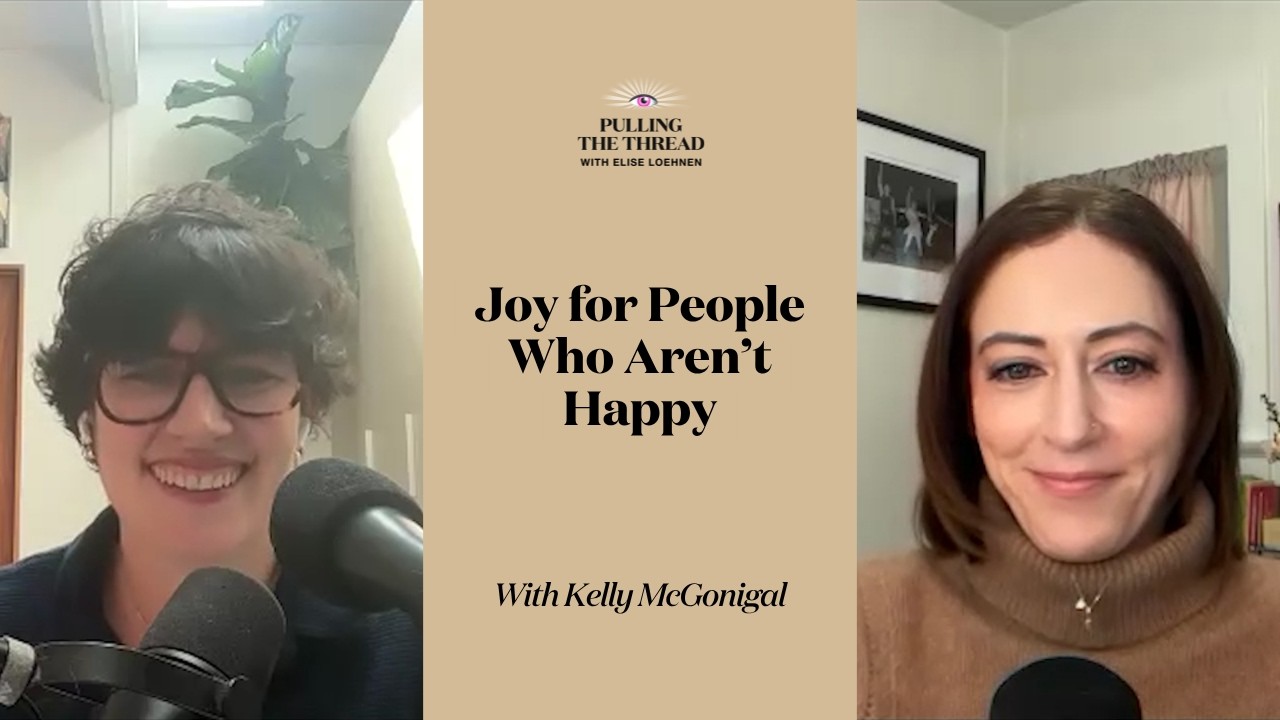 Joy for People Who Aren't Happy (Kelly McGonigal, PhD)
 Why Harnessing Joy in Everyday Life is Important
Quick answer
Our summary of Joy Is a Risk Worth Taking by Kelly McGonigal, in our own words.
What 125x is: 125x is a web app at 125x.app. You connect your YouTube subscriptions, and it gives you a feed of the latest videos from the channels you follow, each with a summary: a verdict, the 5 key takeaways, and the spoiler, plus Actionable and Lessons tabs with more tips. You read that and decide what's actually worth opening.
Open 125xWho it's for
People who feel guilty enjoying things while the world feels heavy, self-described pessimists and worriers, anyone going through grief or a rough stretch, and readers who liked The Upside of Stress.
Tips from readers, plus one of ours
- Make the joy list specific. In her 3 Takeaways interview, McGonigal says people who think joy means euphoria start noticing smaller moments once they write one down each day, and a month of entries tells you a lot about what makes your life worth living.
- Start with other people. The same interview suggests helping someone or thanking someone who helped you, since you can do either even on a day when you don't feel joyful at all.
- Lower your threshold. In her I Choose Me episode with Jennie Garth, she gives that advice to a caller dealing with grief and divorce, and describes the handwritten joy list her father kept.
- Ask about joy out loud. In her Pulling the Thread interview with Elise Loehnen, she says asking someone what brought them joy recently shows them their happiness matters, and the answers make it easier to trust your own.
- Agree or disagree: some readers say keeping up with the news makes joy feel inappropriate. We disagree, and so does McGonigal. She points out that people working in hospitals and crisis zones are often the ones who understand most why small moments of joy matter.
- Our unusual tip: keep your joy list in the same note as your to-do list, one line per day at the bottom. When you open it to plan tomorrow you'll see yesterday's joy first, and after a few weeks you'll notice how many of those moments came from tasks on the list above it.
About this summary
This summary follows the same shape as a 125x summary: a verdict, 5 takeaways, and an Actionable section. 125x is a web app that does this for the latest videos from the YouTube channels you follow, with a verdict, 5 takeaways, the spoiler, and Actionable and Lessons tabs. The spoiler is the answer to the title, the same thing 125x gives you for clickbait video titles. More in book summaries.
FAQ: questions people ask
What is Joy Is a Risk Worth Taking about?
Joy works differently from happiness. Asking whether you're happy makes you add up every problem in your life, while joy only needs one thing to be good right now, like a laugh, a hug or a job done well.
Many people quietly push joy away. McGonigal says this shows up in cultures all over the world, usually as a fear that something bad will follow a good moment or a feeling that it's wrong to feel good while others are struggling.
Is Joy Is a Risk Worth Taking worth reading?
Our verdict is good value given. Published October 13, 2026 by the Stanford psychologist behind The Upside of Stress and The Joy of Movement.
It makes the case that joy is worth seeking even when life is hard, and backs it with 20 short joy experiments you can start the same day. Early praise came from Adam Grant, Anna Lembke and Brad Stulberg.
Who should read Joy Is a Risk Worth Taking?
People who feel guilty enjoying things while the world feels heavy, self-described pessimists and worriers, anyone going through grief or a rough stretch, and readers who liked The Upside of Stress.
What's the main idea of Joy Is a Risk Worth Taking?
Yes, joy is worth the risk. It doesn't have to wait until everything in life is fine, it's found mostly in the ordinary parts of your day, and sharing it helps the people around you as much as it helps you. Lower your bar for what counts, notice it on purpose, and pass it on.
What are the joy experiments in Joy Is a Risk Worth Taking?
Twenty short practices, such as starting a conversation about joy, savoring a small pleasure, capturing your micro uplifts, helping someone celebrate, thanking someone who helped you and a nightly joy review.
How is joy different from happiness in the book?
Happiness feels like a verdict on your whole life, while joy only needs one good thing in the moment, so it's available even when life is hard.
Who wrote Joy Is a Risk Worth Taking?
Kelly McGonigal, a health psychologist and Stanford lecturer who also wrote The Upside of Stress and The Joy of Movement.
Related guides
- Productivity and Self-Improvement Book Summaries
- How to Remember What You Read: Tips That Stick
- Book Summaries or the Whole Book? How to Decide
- Turn Book Takeaways Into Action Before You Forget
- Gratitude Journal Feels Fake? Try This Instead
- How to Stay Present When Your Phone Keeps Pulling You
- What to Write in a Journal When Your Mind Goes Blank
- Feel-Good Productivity Summary: Verdict and 5 Takeaways
- How to Get Out of a Rut (Small Steps That Work)
- Every 125x guide
125x is a web app at 125x.app that turns your YouTube subscriptions into a feed with a summary on every video, plus Actionable and Lessons tabs with more tips, so you can see what's worth opening before you spend the time.
125x is made by Blake Labs Inc. 125x is not made by YouTube or Google.